
Never again, jet lag
Shifting time without losing your mind or sightseeing days

Jet lag is one of travel’s challenges. I used to spend months planning a trip, comparing hotels, researching neighborhoods, deciding whether I really needed that third pair of shoes (I did not), and then my body would arrive in Europe nine time zones behind my luggage.

The brain says: “What a beautiful view.” The internal clock says: “Respectfully, it is 2:14 a.m. and we should be eating cereal in the dark.”
This doesn’t happen to me anymore. I have found a way to essentially prevent jet lag, based on…wait for it…science.
We’ve come a long way, baby
For years, most jet lag advice sounded like it was written by an optimistic gym teacher: Drink water. Get sunshine. Stay awake till bedtime.
Helpful? Sure. Sufficient? Nah.
The good news is that researchers now understand circadian rhythms far better than they used to, and travelers have more tools than ever for reducing the foggy-brained goblin phase that often follows long-haul flights.
The even better news? Many of these strategies work.
This is important: Jet lag is not just “being tired”
Jet lag is not simply exhaustion from travel. It’s your whole body clock being out of sync with the local time. Your brain, hormones, digestion, alertness, and sleep cycles are all still operating on your departure city’s schedule.
Which explains why:
You wake up at 3 a.m., ready to seize the day
You become irrationally sleepy at 4 p.m.
Your stomach wants breakfast during dinner
You stare at a museum label for five full minutes before realizing you absorbed none of it
Or, if like me, you take naps in the Boboli Gardens or on a Venice park bench in the middle of the day

Eastbound travel tends to be worse because you’re trying to force your body to fall asleep earlier than it naturally wants to. Flying west is often easier. Your body generally tolerates staying awake later better than going to sleep earlier.
Which is rude, honestly.
Before you leave
One of the biggest mistakes travelers make is treating jet lag as something to solve after arrival. In reality, the process should start several days before departure.
When to sleep, when to eat
Even shifting your bedtime and wake-up time by an hour or so ahead of an eastbound trip can help soften the impact. You don’t have to fully convert yourself into a Roman before leaving home, but nudging your schedule in the right direction helps your body feel less like it’s been thrown into a washing machine set to “continental drift.”
This also applies to meals. Eating slightly earlier before an eastbound flight can help cue your body that a change is coming.
Your circadian rhythm is surprisingly trainable. It’s basically a very stubborn housecat. Resistant at first, but eventually persuadable.
Light matters more than most people realize
This is where things get fascinating. Light exposure is one of the strongest signals controlling your body clock. Morning light, evening light, and even bright indoor light all affect when your brain thinks it should be awake or asleep.

This means timing matters. Getting sunlight at the right time can help shift your schedule faster. Getting bright light at the wrong time can actually make jet lag worse.
So while “go outside!” is technically decent advice, it’s incomplete. Depending on your travel direction and timing, late-night exposure to bright light might keep your body locked onto your old time zone like an emotional support timezone.
This is also why staring into your phone at midnight after arrival is not ideal. Your body sees bright light and says: “Excellent. We are clearly staying awake.”
Caffeine is a tool, not a personality
Listen, I love coffee. Europe loves coffee. Civilization itself may depend on coffee.
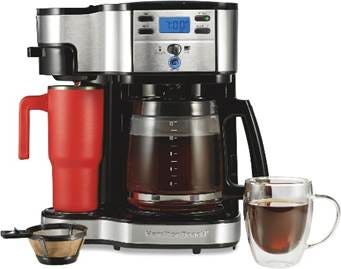
Using caffeine strategically before you go can be a big help. But you must do it at the right time, not just whenever you want throughout the day.
After arrival
Keep strategies going at your destination. You’ll likely find that symptoms of jet lag, if any, are much milder than they used to be.
Nap strategically
Naps can either save the trip or completely destroy your sleep schedule. A short nap, around 20 to 30 minutes, can help take the edge off arrival-day exhaustion without confusing your body too badly.

A three-hour “accidental coma” at 2 p.m., however, is how travelers end up wide awake at 1:45 a.m. reorganizing socks and questioning their life choices.
If you absolutely need sleep after arrival, keep it short. Your future self will thank you at bedtime.
Again, caffeine can help if used correctly
Downing coffee or another caffeinated drink earlier in the day can help maintain alertness while your body adjusts. Drinking espresso at 8 p.m. because you’re trying to push through exhaustion is a gamble that often ends with you lying awake in a hotel room listening to mysterious plumbing noises.

Similarly, alcohol may make you sleepy initially, but it often worsens sleep quality and dehydration. This is deeply unfair to everyone romantically envisioning wine on an Italian terrace.
The underrated magic of slowing down
One of the smartest things travelers can do is avoid overscheduling the arrival day. Fantasy travel self says: “I shall land in Rome at 9 a.m., drop my bags, tour the Colosseum, visit three churches, take a cooking class, and dine elegantly at 9 p.m.” Reality travel self is staring silently at a cappuccino while trying to remember how doors work.
A gentler first day can make a huge difference. Wander. Sit outside. Eat something uncomplicated. Let your body catch up emotionally, spiritually, and metabolically.
This is also why I increasingly love the idea of breaking up long journeys whenever possible.
An airport hotel after a transatlantic flight may not sound glamorous, but arriving at my final destination all rested the next day often feels infinitely more luxurious than dragging myself through EU customs and immigration in a sleep-deprived haze while my soul hovers somewhere over Iceland.
Another benefit of this strategy for me is having my shit together. I’ve proven to myself time and again that being overtired or in a jet laggy haze leads to very bad decisions or actions. My reactions are slower, and my ability to apply logic to situations is deficient. I find myself staring goofily at the person telling me where to go or what to do, when I would easily understand them if I were rested. So that extra stop is worth its weight in euros.
The app that changed my jet lag game
Sometimes technology can be marvelous. After years of experimenting with various strategies, the single most useful tool I’ve found is the Timeshifter app. (Note: I am not affiliated with the app, nor am I receiving any $$ for my recommendation. I’m not that kind of influencer…I’m poor but honest!)

Timeshifter takes the entire body of knowledge about jet lag and turns it into an easy-to-follow schedule (which is great for my ADD brain). It creates a personalized plan based on:
Your flights
Your sleep habits
Your time zones
Your travel direction
Strategic light exposure
Caffeine timing
Your preferred sleep schedule
Optional melatonin use
In other words, it treats jet lag as a scientific issue rather than a character-building exercise. NASA has used the Timeshifter system for years to acclimate its astronauts, so I’m in good company!
Timeshifter tells you exactly when to:
Seek bright light
Avoid bright light, but get some light
Sleep
Nap
Consume caffeine
Avoid caffeine
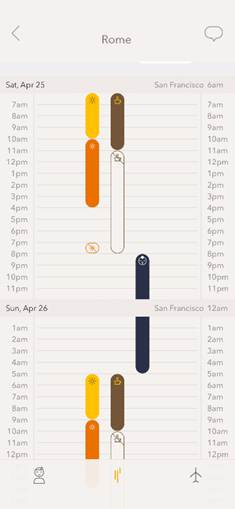
The biggest challenge for me has been to get up when the app tells me to. First day, 6 am—doable. Second day, 5 am—okay, I’ll try. Third day—4 am, WHAT? I always have to remind myself that this will pay off in the end, and roll out of bed when I’m supposed to.
This can also lead to mildly ridiculous situations like wearing sunglasses indoors because the app has informed you that light exposure at this exact moment would apparently anger the circadian gods.
Here’s the thing: It works
I’ve used Timeshifter with genuinely good results, especially on eastbound flights to Europe that used to flatten me for several days. Now I adjust noticeably faster and spend less time wandering around feeling like my consciousness is buffering. I’m tired, yes, but it’s from all the moving and shaking that’s involved in getting from point A to point B to point C. A good night’s sleep and all is well. What I’m not is brain-fogged and wanting to take naps all the time.
The key to using Timeshifter is following the plan as closely as possible, especially regarding light exposure timing. It turns out the difference between “helpful sunlight” and “catastrophic mistimed sunlight” can be surprisingly small. Biology is dramatic like that.
Cool news: Timeshifter offers your first use for free. If it works and you want to use it more, the pricing is very reasonable. A small expense to prevent losing days adjusting to the clock.
The bottom line
Jet lag may never disappear completely. Crossing multiple time zones is still strange for humans, even if airplanes have made it feel routine. But it doesn’t have to wreck the first several days of a trip. Follow science with:
Gradual schedule adjustments
Smart light exposure
Careful naps
Strategic caffeine
Realistic arrival days
And tools like Timeshifter can make a remarkable difference.
Which means you can spend less time fighting your body clock and more time doing what you actually flew across an ocean to do: eat excellent food, wander beautiful streets, and wonder whether moving to Europe permanently is a completely reasonable idea after all.

Next up
The surprisingly practical world of business class travel. Looking at airline miles, airport lounges, customer service, and why lie-flat seats can transform long-haul travel from endurance sport into civilized transportation
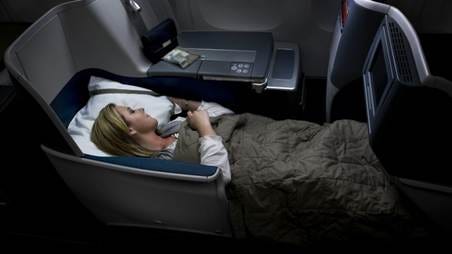
Yesssss!!! Your plan from Timeshifter worked. This is good news for travelers. 😃